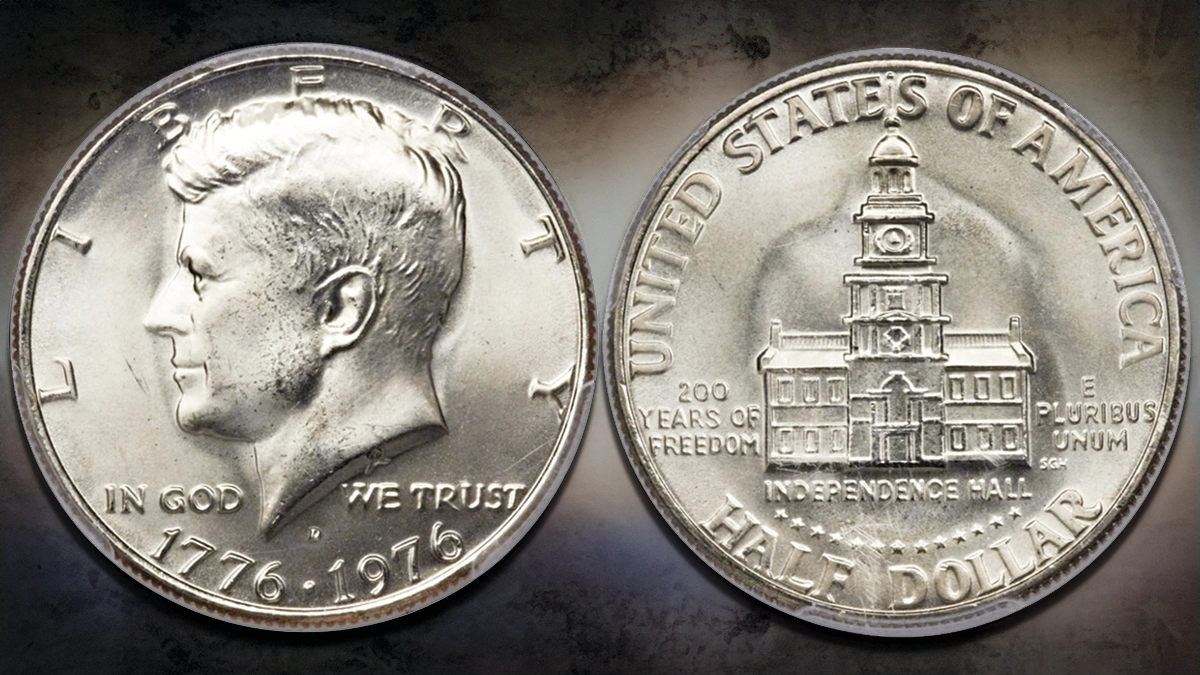
The bicentennial Kennedy half dollar remains one of the most recognizable U.S. commemorative coins ever produced. Issued to celebrate America’s 200th anniversary, this special half dollar features a unique dual date, 1776–1976, and a distinctive reverse design showcasing Independence Hall.
Many collectors and coin enthusiasts wonder whether their bicentennial Kennedy half dollar is worth more than face value. While millions were produced, certain silver versions, high-grade examples, and rare mint errors can command significant premiums in the collector market.
In this guide, you’ll learn about the coin’s history, design, value factors, mint marks, rare errors, and practical tips for determining whether your coin deserves a place in a collection or professional grading service.
History of the Bicentennial Half Dollar
The United States Mint introduced special Bicentennial coinage to commemorate the nation’s 200th birthday. Along with the quarter and dollar coin, the half dollar received a temporary redesign.
Production began in 1975 and continued through 1976. Interestingly, no Kennedy half dollars bearing the date 1975 were produced. Instead, all coins carried the dual date “1776–1976.”
The bicentennial Kennedy half dollar honored both President John F. Kennedy and the historical significance of America’s Bicentennial celebration.
Key historical facts include:
- Released for the U.S. Bicentennial celebration
- Produced at Philadelphia, Denver, and San Francisco mints
- Features dual date 1776–1976
- Millions were saved by collectors
- Remains one of America’s most collected modern coins
Because so many people preserved these coins, most examples remain relatively common today.
Bicentennial Kennedy Half Dollar Design Features
Understanding the design helps collectors identify authentic examples and distinguish between standard and special issues.
Obverse Design
The obverse features the familiar portrait of President John F. Kennedy designed by Gilroy Roberts.
Notable elements include:
- Portrait of Kennedy
- LIBERTY inscription
- IN GOD WE TRUST
- Dual date 1776–1976
Reverse Design
The reverse is what makes this coin unique.
Designed by Seth G. Huntington, it features:
- Independence Hall
- UNITED STATES OF AMERICA
- HALF DOLLAR denomination
- E PLURIBUS UNUM
The reverse design replaced the traditional presidential seal used on regular Kennedy half dollars.
This special artwork significantly contributes to the coin’s popularity among collectors.
Bicentennial Half Dollar Value Factors
Several factors determine the value of a bicentennial Kennedy half dollar.
Condition and Grade
Condition remains one of the most important pricing factors.
Collectors pay higher premiums for:
- Uncirculated coins
- Mint State examples
- Professionally graded specimens
- Coins with strong luster
A common circulated coin often sells for face value or slightly above. However, certified high-grade examples can be worth considerably more.
Silver Content
Not all Bicentennial half dollars contain silver.
Special San Francisco collector editions were struck in 40% silver, making them more valuable than standard clad issues. Collectors often check the coin’s edge to determine composition. Silver examples lack the visible copper-colored stripe found on clad coins.
Rarity
Although the overall mintage was large, certain varieties and errors remain difficult to find.
As a result, rarity often creates significant collector demand.
Mint Marks and Silver Varieties
Collectors should always examine the mint mark before determining value.
Philadelphia Mint (No Mint Mark)
Philadelphia-produced coins are the most common.
Characteristics include:
- No mint mark
- Primarily circulation strikes
- Generally modest premiums
Denver Mint (D)
Denver examples are also widely available.
Collectors often seek high-grade Denver coins due to their superior strike quality.
San Francisco Mint (S)
San Francisco produced:
- Proof coins
- 40% silver collector editions
Silver Bicentennial issues are especially popular because they combine commemorative appeal with precious metal content.
Rare Bicentennial Kennedy Half Dollar Errors
Error coins attract serious attention from collectors.
Some rare errors have sold for hundreds or even thousands of dollars depending on condition and rarity.
Doubled Die Obverse (DDO)
A doubled die obverse occurs when design elements appear duplicated.
Collectors commonly inspect:
- IN GOD WE TRUST
- Date numerals
- Lettering details
Strong examples have sold for substantial premiums.
Doubled Die Reverse (DDR)
This variety displays doubling on the reverse design.
Areas to inspect include:
- Independence Hall details
- Lettering
- Architectural lines
DDR varieties remain among the most desirable Bicentennial errors.
Off-Center Strikes
Off-center errors occur when the planchet is misaligned during striking.
Value depends on:
- Percentage off-center
- Visibility of the date
- Overall eye appeal
Significant off-center strikes can command impressive prices.
Clipped Planchet Errors
A clipped planchet contains a missing section caused during blank preparation.
These unusual shapes immediately attract collector interest and often bring strong market premiums.
How to Identify a Valuable Bicentennial Kennedy Half Dollar
Finding a valuable coin requires careful inspection.
Step 1: Check the Mint Mark
Look above the date area.
Possible marks include:
- No mark (Philadelphia)
- D (Denver)
- S (San Francisco)
Step 2: Examine the Edge
Silver versions show a solid silver-colored edge.
Clad coins display a visible copper stripe.
Step 3: Search for Errors
Use a magnifying glass to inspect:
- Lettering
- Date
- Independence Hall
- Rim alignment
Step 4: Assess Condition
Higher grades generally equal higher values.
Avoid cleaning coins because cleaning can reduce collector value significantly.
Step 5: Consider Professional Grading
Rare or exceptional examples may benefit from certification through respected grading companies.
Why Collectors Love the Bicentennial Kennedy Half Dollar
The bicentennial Kennedy half dollar continues to enjoy strong collector interest for several reasons.
Historical Importance
The coin celebrates:
- America’s 200th anniversary
- U.S. heritage
- Presidential history
Unique Design
The Independence Hall reverse differs from every standard Kennedy half dollar issued before and after the Bicentennial series.
Affordable Entry Point
Most examples remain accessible to beginners.
New collectors can easily start assembling a Bicentennial set without a large investment.
Potential for Discoveries
Collectors continue searching for:
- Error coins
- High-grade specimens
- Silver varieties
This ongoing treasure hunt keeps interest alive decades after release.
Market Trends and Future Outlook
The collector market for modern commemorative coins remains active.
Although most circulated examples carry modest values, demand continues for:
- Certified high-grade coins
- Rare mint errors
- Silver proof versions
- Registry-quality specimens
Market performance largely depends on collector demand, rarity, and overall coin condition. Recent sales show that exceptional examples can achieve substantial premiums when properly authenticated.
For long-term collectors, preserving coins in proper holders and maintaining original surfaces remains essential.
Frequently Asked Questions
1. How much is a bicentennial Kennedy half dollar worth today?
Most circulated examples are worth face value to a few dollars. Silver versions, high-grade coins, and rare errors can be worth significantly more.
2. Are all bicentennial Kennedy half dollars silver?
No. Most were struck in clad composition. Certain San Francisco collector issues contain 40% silver.
3. What is the rarest bicentennial Kennedy half dollar error?
Doubled die varieties, major off-center strikes, and clipped planchet errors are among the most desirable.
4. How can I tell if my bicentennial Kennedy half dollar is valuable?
Check the mint mark, silver content, condition, and possible mint errors. Professional grading may help verify value.
5. Should I clean my bicentennial Kennedy half dollar?
No. Cleaning often reduces collector value and can damage the coin’s original surfaces.
Conclusion
The bicentennial Kennedy half dollar remains one of the most iconic modern U.S. coins. Its connection to America’s Bicentennial celebration, distinctive Independence Hall design, and wide availability make it appealing to both new and experienced collectors.
While many examples are common, valuable opportunities still exist. Silver versions, rare mint errors, and high-grade specimens continue attracting strong collector interest. Understanding mint marks, composition, grading standards, and error varieties can help you determine whether your coin is ordinary or potentially valuable.
If you own a bicentennial Kennedy half dollar, take time to inspect it carefully. You may discover a collectible piece with greater value than expected. Start evaluating your coins today and build a stronger understanding of this fascinating chapter in American numismatic history.