
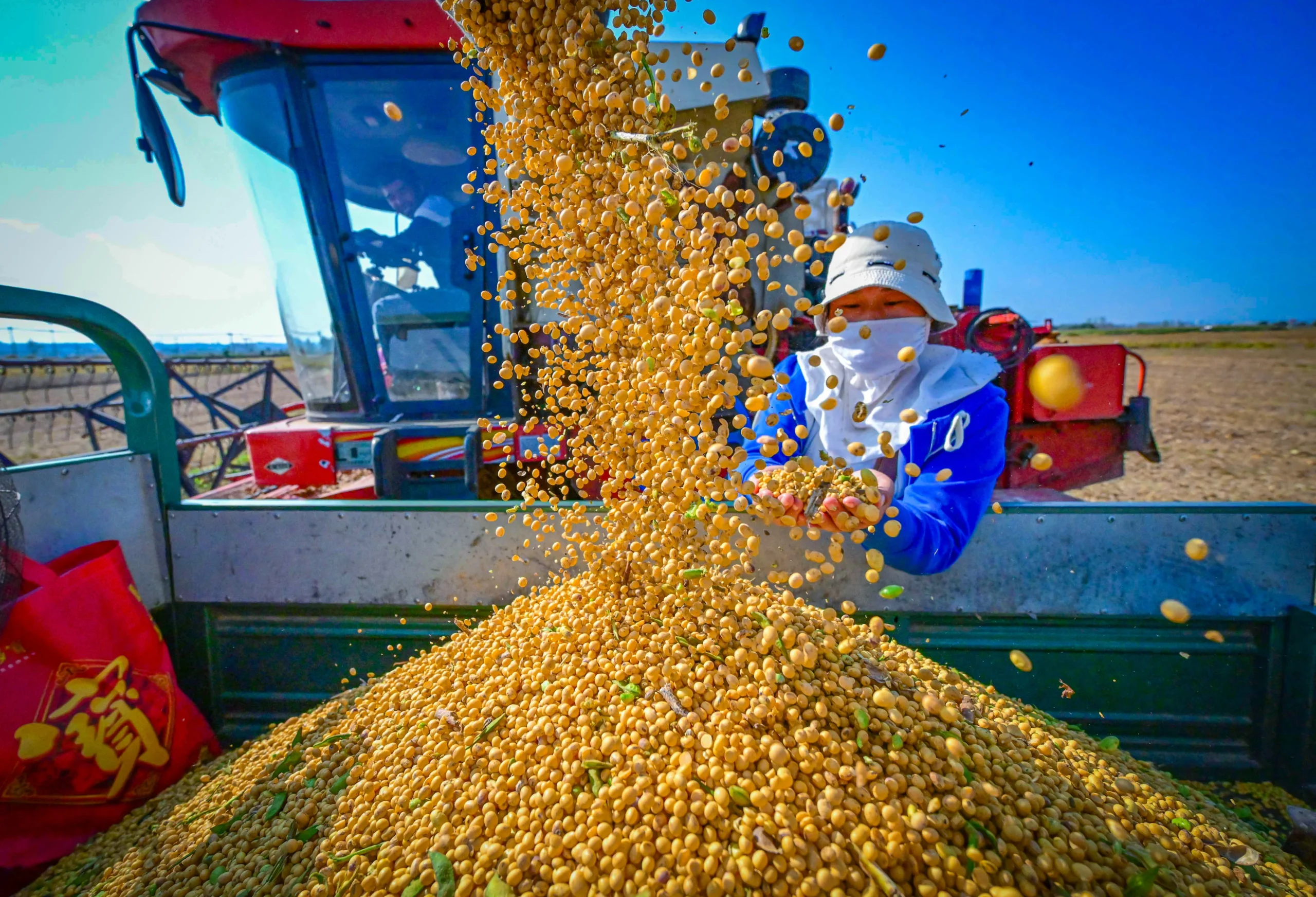
The china soybean market plays a crucial role in global agriculture and international trade. As the world’s largest soybean importer, China significantly influences soybean prices, production decisions, and trade relationships across major exporting countries.
Over the past decade, China’s growing population, rising meat consumption, and expanding livestock industry have increased demand for soybean products. Today, soybean imports are essential for producing animal feed, cooking oil, and various food products.
In this article, you’ll learn about China’s soybean market, import trends, major suppliers, consumption patterns, challenges, and future opportunities. Whether you’re an investor, trader, exporter, or industry professional, understanding the china soybean market can help you make informed decisions in an evolving global landscape.
China Soybean Market Overview
China remains the largest soybean consumer and importer worldwide. Domestic production continues to grow slowly, but it cannot meet rising demand from the country’s food and feed sectors.
Recent industry data shows that China’s soybean imports reached record levels, exceeding 111 million metric tons in recent years. Brazil remains the dominant supplier, followed by the United States and Argentina. The country’s dependence on imported soybeans continues to shape global agricultural trade.
Several factors drive soybean demand in China:
- Growth of the livestock industry
- Increasing meat consumption
- Expanding poultry production
- Demand for edible soybean oil
- Food processing requirements
As a result, the china soybean industry remains a critical component of the global food supply chain.
China Soybean Imports and Trade Patterns
Major Soybean Suppliers to China
The global soybean trade revolves heavily around China. Brazil currently supplies the majority of imported soybeans due to competitive pricing, large harvests, and favorable trade conditions.
Key suppliers include:
- Brazil
- United States
- Argentina
- Uruguay
- Canada
Brazil’s market share has expanded significantly in recent years, making it China’s largest soybean trading partner. Reports indicate that Brazilian soybeans account for more than 70% of China’s soybean imports.
Impact of Global Trade Relations
Trade policies directly affect the china soybean market. Tariffs, geopolitical developments, and supply chain disruptions often influence purchasing decisions.
For example:
- Trade tensions can reduce imports from certain countries.
- Currency fluctuations affect purchasing costs.
- Shipping disruptions influence supply availability.
- Government policies impact sourcing strategies.
Consequently, China continues diversifying suppliers to improve food security and reduce supply risks.
Soybean Consumption in China
China’s soybean consumption has increased steadily due to rising demand for animal protein and vegetable oils.
Soybeans are primarily processed into:
- Soybean meal
- Soybean oil
- Tofu
- Soy milk
- Food ingredients
Soybean meal represents the largest consumption category because it serves as a key ingredient in livestock feed.
Growth of the Livestock Industry
China’s livestock sector remains one of the strongest drivers of soybean demand.
Industries contributing to soybean consumption include:
- Pig farming
- Poultry production
- Dairy farming
- Aquaculture
As consumer incomes rise, demand for meat products continues to increase. This trend supports long-term growth in the china soybean market and encourages higher import volumes. Research indicates that soybean consumption growth has consistently outpaced domestic production.
Domestic Soybean Production in China
Although China imports massive soybean volumes, domestic production remains strategically important.
The government has introduced various initiatives to increase soybean cultivation, including:
- Farmer incentives
- Improved seed technologies
- Land-use optimization
- Agricultural modernization programs
Despite these efforts, challenges remain.
Why Domestic Production Struggles
Several factors limit soybean production growth:
- Limited arable land
- Competition with corn and rice
- Lower profitability for farmers
- Rising production costs
Because of these constraints, domestic production cannot fully satisfy demand. Therefore, imports remain essential for maintaining supply stability. Studies show consumption growth significantly exceeds local production growth, reinforcing China’s dependence on imported soybeans.
Key Factors Influencing China Soybean Prices
Soybean prices in China are influenced by both domestic and international factors.
Important price drivers include:
Global Supply Conditions
Weather events in major producing countries can affect harvest sizes and export availability.
Examples include:
- Droughts
- Floods
- Extreme temperatures
- Pest outbreaks
International Trade Policies
Tariffs and trade agreements often create price fluctuations.
Changes in trade relationships between China and exporting nations can immediately affect purchasing behavior and market sentiment.
Transportation and Logistics
Shipping costs, port congestion, and supply chain disruptions can increase soybean prices.
Therefore, businesses involved in the china soybean industry closely monitor global logistics and freight markets.
Sustainability and Environmental Considerations
Sustainability is becoming increasingly important in soybean sourcing decisions.
Many organizations now focus on:
- Reducing deforestation
- Improving supply chain transparency
- Promoting responsible farming
- Enhancing environmental compliance
Sustainable Soybean Supply Chains
Importers and processors are placing greater emphasis on traceability and environmental standards.
Recent initiatives involving Brazilian agricultural exports demonstrate growing interest in sustainable sourcing and responsible supply chains. Environmental certifications and monitoring systems continue gaining importance within global soybean trade networks.
As sustainability expectations increase, suppliers may need to meet stricter environmental requirements to remain competitive.
Future Outlook for the China Soybean Industry
The long-term outlook for the china soybean sector remains positive despite market uncertainties.
Several trends support future growth:
Rising Protein Demand
Growing urbanization and higher disposable incomes are expected to increase demand for meat, dairy, and poultry products.
This trend will likely sustain soybean meal consumption.
Diversified Import Strategies
China continues expanding sourcing options to reduce dependence on any single supplier.
This strategy improves supply security and market resilience.
Technological Advancements
Agricultural innovation may improve:
- Crop productivity
- Supply chain efficiency
- Processing capacity
- Quality control systems
Market Opportunities
Businesses can benefit from:
- Export partnerships
- Agricultural technology solutions
- Sustainable soybean programs
- Supply chain services
As demand continues growing, the china soybean market will remain one of the most influential agricultural sectors globally.
Challenges Facing the China Soybean Market
Despite strong demand, several challenges could affect future growth.
Supply Chain Risks
Potential risks include:
- Geopolitical tensions
- Weather-related disruptions
- Transportation bottlenecks
- Trade restrictions
Price Volatility
Global commodity markets can experience sudden price fluctuations.
Factors such as harvest performance, exchange rates, and policy changes contribute to uncertainty.
Environmental Pressures
Consumers, governments, and international organizations increasingly expect sustainable production practices.
Meeting these expectations may require additional investment throughout the supply chain.
However, industry participants that adapt successfully can create long-term competitive advantages.
Frequently Asked Questions (FAQs)
1. Why is China the largest soybean importer?
China imports large soybean volumes to support its livestock industry, edible oil production, and food processing sectors.
2. Which country supplies most soybean imports to China?
Brazil is currently the largest supplier in the china soybean market, accounting for the majority of import volumes.
3. Does China produce its own soybeans?
Yes. China produces soybeans domestically, but production is insufficient to meet total demand.
4. What drives soybean demand in China?
Growing meat consumption, livestock feed requirements, and edible oil demand are the primary growth drivers.
5. What is the future outlook for the china soybean industry?
The outlook remains positive due to rising protein consumption, population growth, and continued import demand.
Conclusion
The china soybean market remains one of the most important forces in global agriculture. Strong demand from livestock feed producers, food manufacturers, and edible oil processors continues driving import growth.
Although China is working to increase domestic soybean production, imports remain essential for meeting national consumption requirements. Brazil, the United States, and other exporting nations will continue playing significant roles in supporting supply needs.
Furthermore, sustainability initiatives, technological advancements, and diversified sourcing strategies are reshaping the future of the industry. Businesses that understand these evolving trends will be better positioned to identify opportunities and manage risks effectively.
As global agricultural markets continue changing, monitoring developments in the china soybean sector will remain essential for producers, exporters, traders, and investors. Start exploring market opportunities today to stay ahead in this dynamic industry.