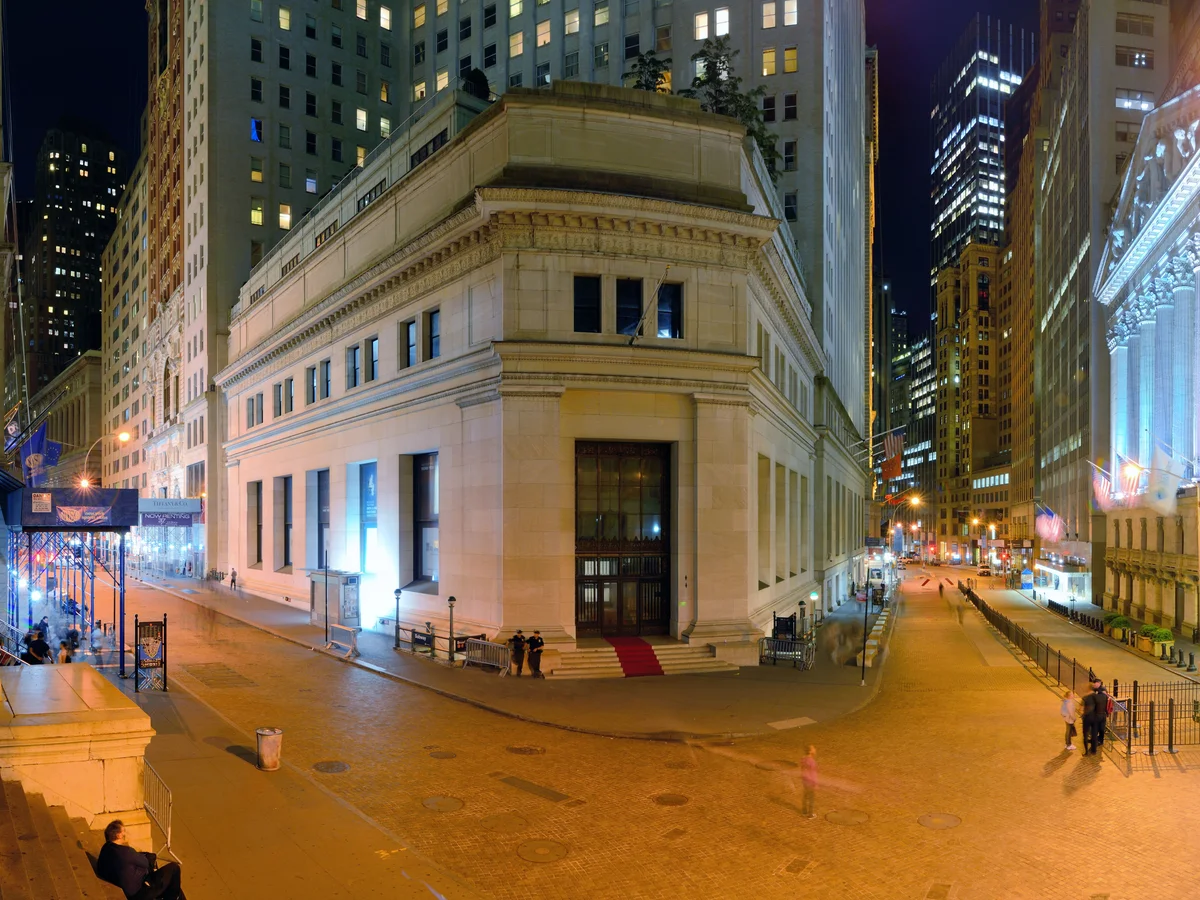
Few addresses in American financial history carry as much influence as 23 Wall Street. Located in the heart of Lower Manhattan, this iconic building served as the headquarters of one of the world’s most powerful banking institutions for decades. Known as the House of Morgan, it became a symbol of financial authority, economic leadership, and architectural prestige.
Today, historians, investors, tourists, and business enthusiasts continue to study its remarkable story. This guide explores the origins, architecture, historical significance, and lasting impact of 23 Wall Street. You’ll also learn why this famous address remains one of the most recognized landmarks in New York’s financial district.
The Origins of the House of Morgan
How 23 Wall Street Became Famous
The story of 23 Wall Street begins in the late nineteenth century when powerful banking families shaped the future of American finance. The building became closely associated with financier J.P. Morgan and his influential banking empire.
At a time when Wall Street was rapidly growing, the location provided strategic access to major financial institutions. Business leaders regularly gathered here to discuss investments, mergers, and economic policies.
Unlike many skyscrapers built during the era, the structure remained relatively modest in height. However, its influence far exceeded its physical size. Financial decisions made within its walls often affected industries across the United States and beyond.
J.P. Morgan’s Influence
The success of the House of Morgan transformed the building into a symbol of trust and financial stability. During periods of economic uncertainty, business leaders frequently looked to Morgan and his associates for guidance.
As a result, 23 Wall Street became one of the most respected addresses in global finance.
Architectural Significance of the Morgan Bank Building
A Unique Design in Lower Manhattan
One reason 23 Wall Street stands out is its distinctive architecture. Designed in a classical style, the building reflects the strength and permanence that banking institutions wanted to project.
Its exterior features:
- Massive stone walls
- Elegant detailing
- Large arched windows
- Impressive corner positioning
Unlike neighboring skyscrapers, the structure focused on authority rather than height.
Symbolism Behind the Design
Architects intentionally created a building that conveyed confidence. Every design element communicated stability and financial power.
Visitors often notice the absence of flashy decorations. Instead, the design emphasizes simplicity, professionalism, and strength.
These characteristics helped establish the building as a defining landmark in Wall Street history.
The Role of 23 Wall Street in American Finance
Financial Leadership During Economic Crises
Throughout its history, 23 Wall Street played a central role in major economic events. Banking executives operating from the building frequently influenced national financial policies.
During financial disruptions, leaders associated with the House of Morgan coordinated efforts to stabilize markets and restore investor confidence.
The building became known as a place where important financial decisions were made quickly and effectively.
Impact on Corporate America
Many significant corporate transactions were connected to discussions held within the Morgan banking network.
These activities included:
- Business consolidations
- Infrastructure financing
- Industrial investments
- International banking partnerships
Because of this influence, 23 Wall Street earned a reputation as one of the most powerful business addresses in the world.
Wall Street History and Its Connection to the Building
The Evolution of the Financial District
Understanding 23 Wall Street requires understanding the broader history of Wall Street itself.
Over time, the area evolved into a global financial center. Major banks, investment firms, and stock exchanges established operations nearby.
The building benefited from its strategic location near:
- Financial institutions
- Government offices
- Transportation networks
- Business headquarters
A Landmark Within the Financial Community
As the New York financial district expanded, the House of Morgan remained one of its most recognizable structures.
Its reputation attracted attention from journalists, investors, politicians, and international visitors.
Even as newer buildings emerged, the historical significance of 23 Wall Street continued to grow.
Famous Events Associated with 23 Wall Street
The 1920 Wall Street Explosion
One of the most notable events connected to 23 Wall Street occurred in 1920 when a devastating explosion struck the financial district.
The blast caused extensive damage throughout the area and resulted in numerous casualties.
Interestingly, visible scars from the explosion remained on parts of the building’s exterior for many years. Rather than removing them entirely, the marks became a reminder of a significant moment in American history.
Historical Visits and Influential Figures
Many prominent individuals visited the building throughout its operational history.
These included:
- Business executives
- Political leaders
- International bankers
- Economic advisors
The presence of such influential figures reinforced the building’s importance within global finance.
The Modern Legacy of 23 Wall Street
Preservation and Historical Recognition
Today, 23 Wall Street is recognized as an important historic landmark.
Preservation efforts help maintain its architectural character while protecting its place in financial history.
Many visitors view the building as a symbol of an era when banking institutions held extraordinary influence over economic development.
Continued Public Interest
Interest in the building remains strong because it represents more than architecture.
It symbolizes:
- Financial innovation
- Corporate leadership
- Economic resilience
- American business history
Researchers, students, and tourists frequently explore its story to better understand the development of modern finance.
Why 23 Wall Street Still Matters Today
Lessons for Business and Finance
The legacy of 23 Wall Street offers valuable insights into leadership, risk management, and long-term business strategy.
Financial institutions continue to study historical practices associated with the House of Morgan.
These lessons remain relevant because markets still rely on confidence, stability, and strategic decision-making.
Cultural and Historical Importance
Beyond finance, the building serves as a cultural landmark.
It helps tell the story of how New York became one of the world’s leading economic centers.
For anyone interested in architecture, business, or history, 23 Wall Street remains a fascinating subject worth exploring.
FAQs
What is 23 Wall Street famous for?
23 Wall Street is famous for serving as the historic headquarters of J.P. Morgan’s banking empire and becoming a symbol of American financial power.
Why is it called the House of Morgan?
The building earned the nickname House of Morgan because it was closely associated with J.P. Morgan and his influential banking organization.
Where is 23 Wall Street located?
The building is located in Lower Manhattan within New York City’s financial district.
Is 23 Wall Street still used as a bank?
The building no longer serves its original role as the headquarters of the Morgan banking operation, but it remains an important historic landmark.
Why is 23 Wall Street important in Wall Street history?
It played a major role in shaping American finance, influencing major business transactions and economic decisions for decades.
Conclusion
The story of 23 Wall Street extends far beyond a simple street address. For generations, the building represented financial leadership, economic influence, and institutional strength. Its connection to J.P. Morgan, major historical events, and the development of modern banking has secured its place in American history.
Today, the structure remains one of the most recognized landmarks in the New York financial district. From its distinctive architecture to its role in shaping corporate America, 23 Wall Street continues to attract historians, investors, and curious visitors from around the world.
Whether you are interested in business history, architecture, or the evolution of global finance, exploring the legacy of 23 Wall Street offers valuable insights into the forces that helped shape the modern economy. Continue learning about historic financial landmarks to better understand the foundations of today’s business world.